Securing the Healing Environment: A Comprehensive Guide to Healthcare Security Operations
By SentinelOps Editorial Team | 7/14/2026 | 8 min read
# Securing the Healing Environment: A Comprehensive Guide to Healthcare Security Operations
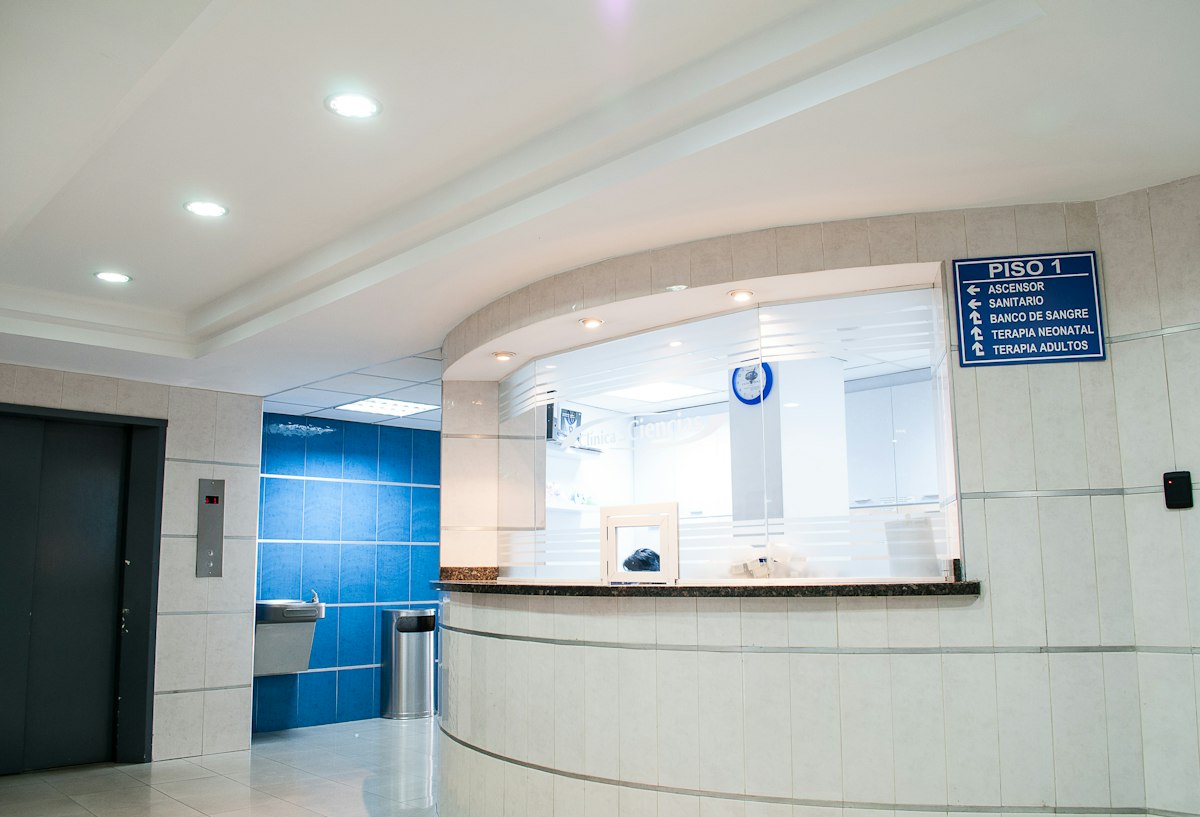
Healthcare facilities occupy a unique space in the built environment: they are high-traffic public areas that must also function as high-security zones. Unlike corporate offices or retail spaces, hospitals are 24/7 environments tasked with the preservation of life, often under high-stress conditions. Securing these environments requires a delicate balance between maintaining a welcoming, therapeutic atmosphere and ensuring the safety of patients, staff, and sensitive medical infrastructure.
## The Unique Challenges of Healthcare Security
Securing a hospital is fundamentally different from securing other infrastructure. The primary challenge is the tension between accessibility and security. Patients and their families expect easy access to emergency rooms and departments, yet facilities must guard against unauthorized access, theft of controlled substances, and workplace violence. Security teams must account for a rotating population of thousands, including staff, vendors, volunteers, and visitors, all while maintaining strict adherence to patient privacy regulations like HIPAA.
## Specialized Patient Protection: Infants and Elopement
Two of the most critical responsibilities for hospital security are infant protection and elopement prevention. Infant security programs often utilize specialized radio-frequency identification (RFID) or Bluetooth-based tracking tags placed on newborns, which trigger alarms at exits if a child is moved without authorization.
Similarly, elopement management focuses on preventing patients—particularly those with cognitive impairments, dementia, or psychiatric conditions—from leaving a unit unsupervised. Effective strategies involve a multi-layered approach: identifying "at-risk" patients upon intake, utilizing door-locking mechanisms that integrate with nurse call systems, and deploying proactive visual surveillance. These systems must be audited regularly to ensure they do not malfunction during life-safety events like fire alarms.
## Integrated Access Control and Visitor Management
Modern healthcare security relies on sophisticated access control systems that categorize zones by risk level. Public areas like cafeterias require low-level access, while surgical suites, pharmacies, and data centers demand high-security biometric or card-reader authentication.
Visitor management is equally vital. By utilizing digital registration kiosks, facilities can verify identity, issue temporary badges, and track who is in the building at any given time. This not only discourages unauthorized individuals from wandering into restricted clinical areas but also provides a vital audit trail for contact tracing and incident investigation.
## De-escalation and Violence Prevention
Statistically, healthcare workers face higher rates of workplace violence than many other professionals. Security operations must prioritize training that emphasizes de-escalation techniques. Staff should be empowered to recognize the early warning signs of agitation, such as pacing, raised voices, or erratic movements, and utilize verbal intervention strategies before a situation turns physical.
Violence prevention programs should include "Code Gray" or similar emergency protocols that ensure security personnel are dispatched immediately when verbal de-escalation fails. By fostering a culture of mutual respect and providing clear, actionable safety training, facilities can significantly reduce the severity of incidents.
## Privacy and HIPAA Compliance in Security
Security operations are inherently tied to HIPAA compliance. Security officers often encounter Protected Health Information (PHI) through video footage, incident reports, and access logs. It is essential that security leadership develops policies ensuring that these records are treated with the same confidentiality as medical charts. For instance, cameras should be positioned to monitor hallways and entrances rather than inside private examination rooms, and access to security archives must be restricted to authorized personnel who have received data privacy training.
## Conclusion: A Collaborative Approach
Healthcare security is not solely the responsibility of a security department; it is a shared organizational mission. Success in this field requires constant communication between clinical staff, facility managers, and security professionals. By implementing robust access control, specialized tracking for at-risk patients, and comprehensive training in de-escalation, healthcare facilities can create a secure environment that allows medical providers to focus on what matters most: patient care. As threats evolve, so too must our security strategies, rooted always in the principle of protecting the vulnerable while serving the community.
Healthcare facilities occupy a unique space in the built environment: they are high-traffic public areas that must also function as high-security zones. Unlike corporate offices or retail spaces, hospitals are 24/7 environments tasked with the preservation of life, often under high-stress conditions. Securing these environments requires a delicate balance between maintaining a welcoming, therapeutic atmosphere and ensuring the safety of patients, staff, and sensitive medical infrastructure.
## The Unique Challenges of Healthcare Security
Securing a hospital is fundamentally different from securing other infrastructure. The primary challenge is the tension between accessibility and security. Patients and their families expect easy access to emergency rooms and departments, yet facilities must guard against unauthorized access, theft of controlled substances, and workplace violence. Security teams must account for a rotating population of thousands, including staff, vendors, volunteers, and visitors, all while maintaining strict adherence to patient privacy regulations like HIPAA.
## Specialized Patient Protection: Infants and Elopement
Two of the most critical responsibilities for hospital security are infant protection and elopement prevention. Infant security programs often utilize specialized radio-frequency identification (RFID) or Bluetooth-based tracking tags placed on newborns, which trigger alarms at exits if a child is moved without authorization.
Similarly, elopement management focuses on preventing patients—particularly those with cognitive impairments, dementia, or psychiatric conditions—from leaving a unit unsupervised. Effective strategies involve a multi-layered approach: identifying "at-risk" patients upon intake, utilizing door-locking mechanisms that integrate with nurse call systems, and deploying proactive visual surveillance. These systems must be audited regularly to ensure they do not malfunction during life-safety events like fire alarms.
## Integrated Access Control and Visitor Management
Modern healthcare security relies on sophisticated access control systems that categorize zones by risk level. Public areas like cafeterias require low-level access, while surgical suites, pharmacies, and data centers demand high-security biometric or card-reader authentication.
Visitor management is equally vital. By utilizing digital registration kiosks, facilities can verify identity, issue temporary badges, and track who is in the building at any given time. This not only discourages unauthorized individuals from wandering into restricted clinical areas but also provides a vital audit trail for contact tracing and incident investigation.
## De-escalation and Violence Prevention
Statistically, healthcare workers face higher rates of workplace violence than many other professionals. Security operations must prioritize training that emphasizes de-escalation techniques. Staff should be empowered to recognize the early warning signs of agitation, such as pacing, raised voices, or erratic movements, and utilize verbal intervention strategies before a situation turns physical.
Violence prevention programs should include "Code Gray" or similar emergency protocols that ensure security personnel are dispatched immediately when verbal de-escalation fails. By fostering a culture of mutual respect and providing clear, actionable safety training, facilities can significantly reduce the severity of incidents.
## Privacy and HIPAA Compliance in Security
Security operations are inherently tied to HIPAA compliance. Security officers often encounter Protected Health Information (PHI) through video footage, incident reports, and access logs. It is essential that security leadership develops policies ensuring that these records are treated with the same confidentiality as medical charts. For instance, cameras should be positioned to monitor hallways and entrances rather than inside private examination rooms, and access to security archives must be restricted to authorized personnel who have received data privacy training.
## Conclusion: A Collaborative Approach
Healthcare security is not solely the responsibility of a security department; it is a shared organizational mission. Success in this field requires constant communication between clinical staff, facility managers, and security professionals. By implementing robust access control, specialized tracking for at-risk patients, and comprehensive training in de-escalation, healthcare facilities can create a secure environment that allows medical providers to focus on what matters most: patient care. As threats evolve, so too must our security strategies, rooted always in the principle of protecting the vulnerable while serving the community.